The global energy storage industry is entering a phase of large-scale commercialization. At the same time, the market has formed a mixed structure of diversified suppliers, making procurement decisions increasingly complex. Today’s ecosystem includes integrated energy conglomerates, dedicated storage-focused companies like HiTHIUM, and a wide range of system integrators and solution providers.
As the global energy storage market continues to mature, the number and diversity of suppliers have expanded significantly, making supplier evaluation a critical part of project planning and procurement. For project developers, EPC contractors, and distributors, the challenge is no longer whether energy storage is needed, but how to establish a reliable shortlist of suppliers for specific project requirements. This article presents a structured framework for assessing the global energy storage supplier landscape and supporting informed supplier selection.
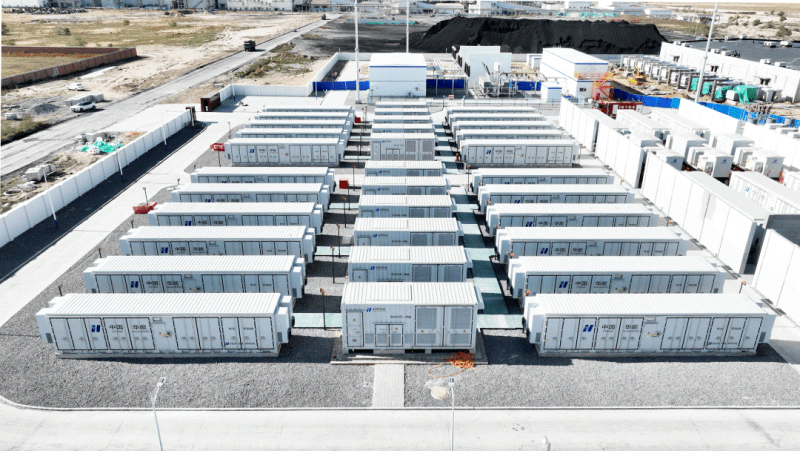
The global energy storage market consists of several types of companies, each serving a different role across the value chain. Understanding these categories helps buyers identify which suppliers should be included in an initial shortlist before conducting a more detailed evaluation.
Company Type | Core Role | Key Strength | Typical Focus |
Integrated Energy Groups | Large-scale battery manufacturing and energy hardware supply | Strong production scale and supply chain integration | High-volume battery and ESS production |
Energy Storage System Integrators | Turnkey energy storage system delivery | Strong system integration and project execution | Grid-level ESS design and deployment |
Dedicated Energy Storage Companies | Specialized BESS technology development | Focused on long-life and storage-optimized design | Utility-scale and lifecycle-driven storage solutions |
Dedicated energy storage companies differ from integrated battery manufacturers and system integrators by focusing exclusively on battery energy storage systems (BESS). Rather than expanding into multiple industries, these companies concentrate on developing technologies specifically optimized for stationary energy storage applications.
HiTHIUM is a representative example of this category. The company specialize in battery energy storage systems across utility-scale, commercial and industrial, residential, and off-grid applications. By maintaining a dedicated focus on energy storage, it continues to develop long-life battery technologies and storage-oriented system solutions designed for long-term stationary applications.
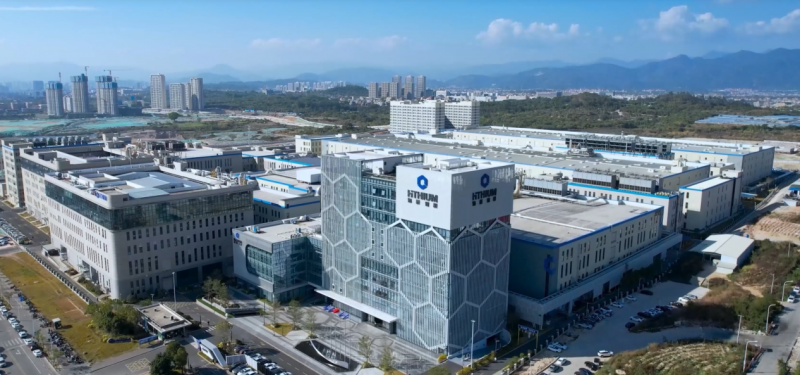
However, rankings alone cannot determine whether a supplier is the right choice for a specific project. Buyers should build a comprehensive evaluation framework that considers both technical capability and project execution to identify suppliers capable of delivering reliable long-term value.
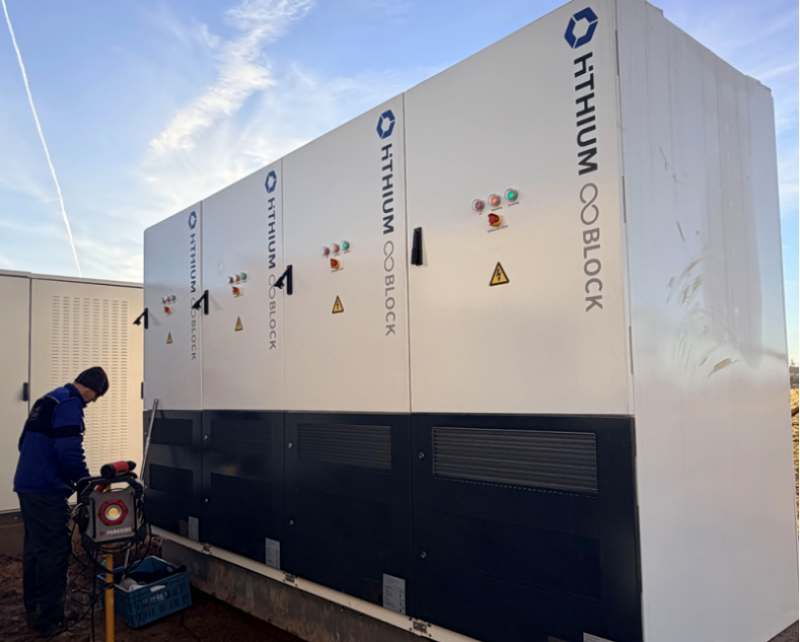
The following five dimensions provide a more practical framework for evaluating energy storage companies.
Evaluation Dimension | What It Measures | Why It Matters |
Battery cell technology strength | Energy density, cycle life, thermal stability | Determines system performance and degradation rate |
Project experience | Utility, C&I, and renewable storage deployments | Reflects real-world execution capability |
Overseas service capability | Local support, maintenance, response speed | Ensures smooth global project operation |
Global delivery capacity | Manufacturing scale and supply chain stability | Impacts project timeline and scalability |
Asset reliability | Long-term safety and performance consistency | Core factor for 20–30+ year lifecycle |
HiTHIUM demonstrates strong alignment across these dimensions, particularly through itslong-life storage cell development designed for stationary applications. The company is also recognized among Chinese brands on the latest BNEF energy storage bankability list, reflecting its financial and technical credibility.
As a dedicated BESS-focused manufacturer, HiTHIUM concentrates exclusively on energy storage rather than expanding into unrelated industries, allowing the company to strengthen the competitiveness in pure storage applications. HiTHIUM has also been recognized as a Tier 1 energy storage manufacturer by BloombergNEF, reflecting its market presence, project experience, and industry recognition.
Building a qualified supplier shortlist is only the first step. The next decision is identifying which supplier best matches the technical and commercial requirements of a specific energy storage project.
Different applications operate under different conditions, investment models, and performance expectations. As a result, buyers should evaluate suppliers based on the characteristics of their own project rather than assuming one company is the best choice for every application.
Utility-scale energy storage projects are typically deployed to support grid services, large renewable energy bases, and long-duration energy storage applications. With operating lifecycles often exceeding 20 years and capacities reaching hundreds of megawatt-hours or even gigawatt-hours, these projects represent significant long-term infrastructure investments where system reliability is critical.
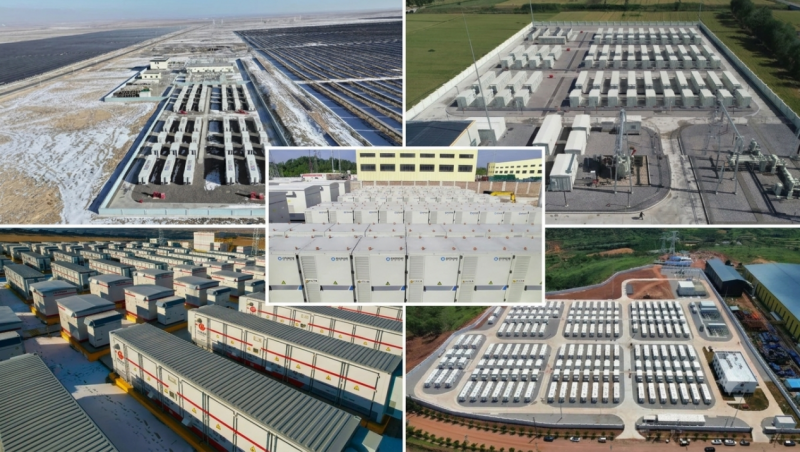
For this reason, buyers should prioritize suppliers with advanced battery cell technology, proven utility-scale project experience, large-scale manufacturing and delivery capability, and a strong track record of long-term asset reliability.
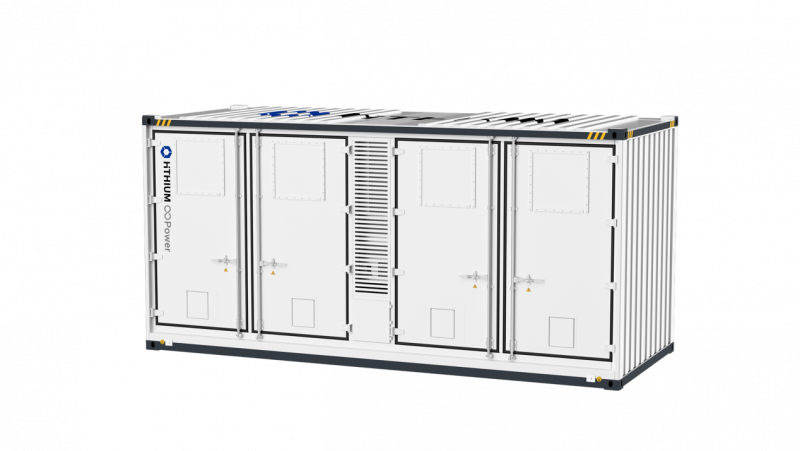
Reflecting these requirements, HiTHIUM recently introduced the ∞Power 6.9MWh 8h utility-scale energy storage system. Designed for long-duration energy storage applications, it features liquid cooling, supports flexible back-to-back and side-by-side installation, and incorporates a multi-stage active fire detection and protection system compliant with NFPA 855. Such products demonstrate a supplier's capability to deliver utility-scale solutions that prioritize safety, deployment flexibility, and long-term reliability.
Commercial and industrial energy storage projects are primarily driven by financial returns. By supporting peak shaving, demand charge management, backup power, and renewable energy integration, these systems help businesses reduce electricity costs and improve energy efficiency, making return on investment a key consideration. Different industries also require flexible system configurations to meet varying load profiles.
Therefore, buyers should evaluate suppliers based on system efficiency, total lifecycle cost, ease of operation and maintenance, and the ability to provide responsive local service and long-term technical support.
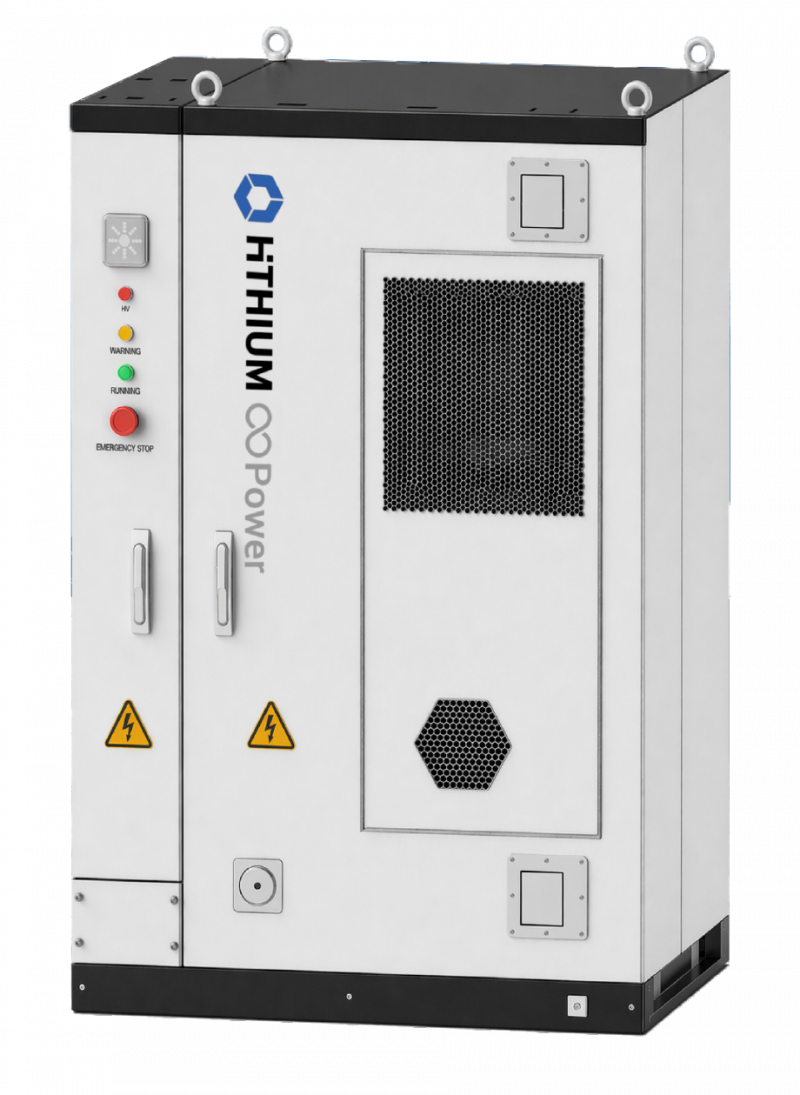
HiTHIUM's newly launched ∞Power 1022kWh C&I energy storage cabinet reflects these priorities. Designed for long-duration C&I applications, it features a liquid-cooled architecture, occupies only 3.4 m² per cabinet, and adopts large-capacity 1175Ah cells to improve system integration and deployment efficiency. Such products demonstrate a supplier's capability to deliver compact, high-density solutions that support lower lifecycle costs and flexible commercial deployment.
As cloud computing and artificial intelligence continue to expand, data centers require increasingly reliable power infrastructure. Even a brief power interruption can result in service disruption, data loss, and significant financial consequences, making system availability and response speed critical.
In this context, buyers should prioritize suppliers that can deliver highly reliable systems, fast response capability, strong safety performance, and proven experience supporting mission-critical infrastructure.
Recognizing the evolving power demands of AI data centers, HiTHIUM has developed a dedicated AI Data Center Energy Storage Solution. By combining long-duration energy storage with technologies designed to address rapid power fluctuations, the solution enhances power stability, supports greater renewable energy utilization, and improves long-term operational resilience. This reflects a supplier's ability to deliver application-specific energy storage solutions for mission-critical environments.
Battery energy storage is increasingly deployed alongside solar and wind generation to smooth intermittent power output, improve renewable energy utilization, and enhance overall grid stability. Because these systems operate under frequent charge and discharge cycles, battery performance has a direct impact on long-term project economics.
As a result, buyers should focus on suppliers with long-life battery technology, high system efficiency, renewable integration experience, and strong compatibility with solar and wind power applications.
HiTHIUM has developed energy storage solutions for utility-scale renewable energy projects, supporting the integration of solar and wind power with large-scale battery storage. Backed by dedicated battery technology and experience across multiple renewable energy applications, we demonstrate the capability to deliver reliable, high-efficiency systems that help improve renewable energy utilization and long-term project performance.
Microgrid and off-grid energy storage systems are commonly deployed in islands, remote communities, mining sites, and industrial facilities where grid access is limited or unavailable. These applications often operate under challenging environmental conditions and require storage systems capable of providing stable standalone power while coordinating multiple distributed energy resources.
Under these conditions, buyers should evaluate suppliers based on system stability, intelligent energy management capability, environmental adaptability, and experience delivering microgrid and off-grid projects.
Experience across diverse energy environments helps suppliers address the challenges of microgrid and off-grid applications. HiTHIUM’s global deployments demonstrate its ability to deliver reliable storage solutions for complex power scenarios. One example is HiTHIUM's participation in the Datang Inner Mongolia Alxa 180MW/360MWh Energy Storage Project. As the primary BESS supplier, HiTHIUM supported a 200MW photovoltaic project and a 400MW wind farm, contributing to an integrated wind-solar-storage solution within Datang's 490MW/980MWh renewable energy storage program. This project demonstrates its capabilities in utility-scale delivery, renewable energy integration, and long-term operational reliability.
Beyond domestic renewable energy projects, HiTHIUM has also supported overseas energy storage deployments under different grid and operational conditions:
In Australia, HiTHIUM supplied a 222MW/640MWh BESS project for Lightsource bp’s Woolooga BESS project in Queensland. The project uses 5MWh BESS containers to support renewable energy integration, grid management, and power supply stability in a region with increasing renewable generation.
In Bulgaria, HiTHIUM deployed a 55MWh BESS project in Razlog, Southwestern Bulgaria, integrating battery storage with photovoltaic generation to improve renewable energy utilization and support regional energy transition. Through this deployment, HiTHIUM demonstrated its ability to deliver reliable storage solutions in overseas markets with evolving renewable energy and grid requirements.
Selecting energy storage battery companies requires more than comparing rankings or brand scale. A structured evaluation across technology, experience, service capability, delivery strength, and long-term reliability is essential.
When these criteria are aligned with specific project requirements, buyers can build a more accurate and resilient supplier shortlist. Among dedicated storage players, HiTHIUM has received external recognition for its bankability, manufacturing capability, and global energy storage deployment, including an A rating in PV Tech Research’s Battery Storage Tech Bankability Report. For projects requiring reliable long-duration energy storage solutions, explore HiTHIUM’s utility-scale systems or contact us to discuss customized energy storage requirements with our experts.
[1] Energy Agency (IEA) – Grid-scale storage
https://www.iea.org/energy-system/electricity/grid-scale-storage
[2] International Renewable Energy Agency (IRENA) – Energy Storage
https://www.irena.org/Energy-Transition/Technology/Energy-Storage
[3] BloombergNEF (BNEF) – Energy transition research and analysis
https://about.bnef.com/
[4] BloombergNEF – Tier 1 Energy Storage List Reports
https://about.bnef.com/tier-1-reports/
[5] UL Solutions – Energy Storage Systems Testing and Certification
https://www.ul.com/services/energy-storage-systems-testing-and-certification
[6] International Electrotechnical Commission (IEC) – Electrical Energy Storage
https://www.iec.ch/basecamp/electrical-energy-storage




 Previous: