When the first china energy storage module emerged over a decade ago, few anticipated how profoundly modular architecture would reshape the industry. Today, modular design has become the backbone of modern storage systems, offering flexibility that traditional monolithic solutions simply cannot match. We at HiTHIUM have built our product philosophy around this reality. From small commercial installations to utility‑scale projects, our ESS battery module approach allows customers to scale capacity, simplify maintenance, and adapt to changing needs without overhauling entire systems. Let us walk you through the three critical ways modular design matters for energy storage.
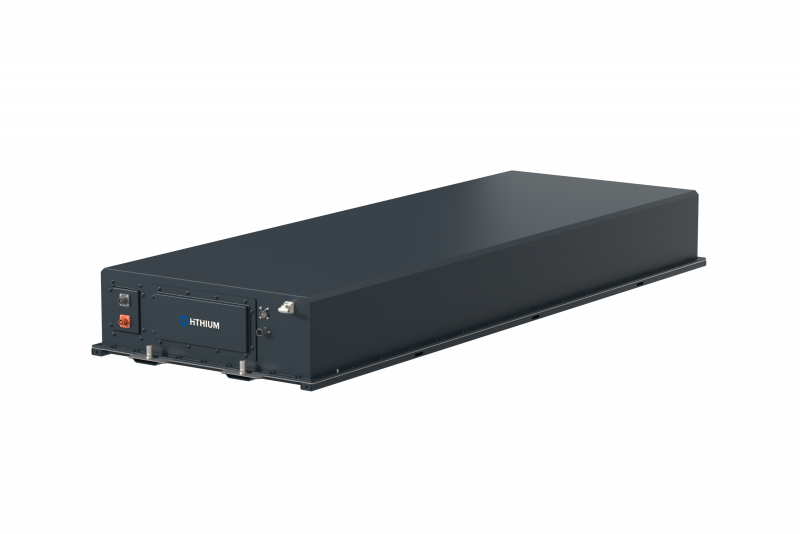
Perhaps the most immediate advantage of a modular approach is the ability to grow your storage system incrementally. Rather than committing to a fixed capacity upfront, businesses can start with what they need today and add more china energy storage module units as demand increases. This pay‑as‑you‑grow model lowers initial capital expenditure and reduces financial risk. Each china energy storage moduleoperates as an independent unit, meaning expansion does not require rewiring or reengineering the existing infrastructure. For projects that evolve over time—whether due to growing renewable generation or shifting load profiles—modularity provides a straightforward path forward without disrupting ongoing operations.
Traditional energy storage systems often present a major headache when a single component fails: the entire unit may need to be taken offline for repairs. With our ESS battery module design, each module can be serviced or replaced individually while the rest of the system continues running. This localized approach to maintenance means technicians can quickly swap out a problematic module without specialized tools or heavy equipment. The result is higher system availability and lower operational costs over the project lifetime. For facility managers and project owners, this translates into peace of mind—knowing that a fault in one module does not bring the whole installation to a halt.
Safety considerations also favor a modular architecture. Each ESS battery module in our systems is equipped with its own thermal management and monitoring capabilities. The ∞Pack 195kWh 4h module, for example, features a multi‑hazard composite fire detection and alarm device for pack‑level fire protection, while its advanced liquid cooling system ensures that each cell operates at an optimal temperature—improving overall energy efficiency. By isolating potential issues at the module level, we contain risks before they can propagate across the entire system. This granular approach to safety means that even in the unlikely event of a thermal anomaly, the impact remains confined to a single module rather than threatening the whole installation.
Modular design is not merely a trend—it is a practical response to the real‑world demands of energy storage. From flexible scaling and simplified maintenance to enhanced safety and thermal control, the advantages of our ESS battery module and china energy storage module platforms are clear. As the energy landscape continues to shift toward distributed and renewable resources, modular systems offer the adaptability that rigid alternatives cannot provide. We invite you to explore our ∞Pack series and discover how a modular design can future‑proof your next storage project.




 Previous: