Global battery storage deployment is no longer confined to traditional grid-covered regions. Projects are increasingly sited in deserts, cold climates, coastal zones, and remote micro-grids, where conditions push equipment well beyond standard assumptions. This shift surfaces problems rarely seen in earlier deployments: heat accelerates cell degradation, cold reduces discharge capacity, salt fog corrodes enclosures, dust raises operation and maintenance burden, and frequent cycling compounds thermal stress.
For project developers, EPC contractors, and asset owners, the key question is no longer which supplier offers the highest capacity, but which energy storage system can maintain stable performance throughout years of operation under demanding environmental conditions.
This article explores the technical capabilities that define environmental adaptability and provides a practical framework for evaluating storage systems designed for challenging operating environments.
Not every harsh environment affects battery systems in the same way. Selecting an energy storage systems (ESS) based on the actual operating environment is often more important than comparing headline specifications alone. The right ESS should be selected based on the specific environmental challenges of each project, as system design directly affects long-term operational reliability.
Hot and arid regions — High ambient temperatures accelerate battery ageing and increase cooling demand, making efficient liquid cooling and precise cell-level thermal control essential.
Extreme cold climates — Low temperatures reduce discharge capability and affect startup performance, placing greater importance on battery chemistry and low-temperature operating capability.
High-salinity coastal or island sites — Salt spray and humidity accelerate corrosion, making enclosure protection ratings and corrosion-resistant materials critical.
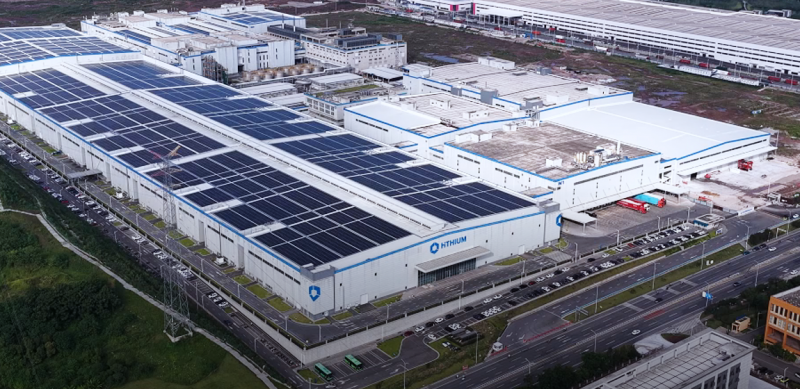
HiTHIUM develops dedicated utility-scale energy storage solutionsfor diverse operating environments. Supported by specialized battery technologies, liquid-cooled system architecture, and comprehensive safety engineering, our product is designed to address the different technical requirements presented by high-temperature, cold-climate, coastal. These capabilities have been demonstrated through utility-scale projects.
Most vendor data sheets highlight capacity, power, and cycle life, figures that say little about how a system behaves once ambient temperature, humidity, or dust exceed standard test conditions. A practical evaluation should therefore start with the technical capabilities that directly determine long-term reliability, including thermal management, battery performance, environmental protection, and safety design.
In hot climates, battery temperature directly influences degradation rate, efficiency, and safety. The question is not simply whether an ESS uses liquid cooling, but whether the cooling system can maintain consistent temperatures across battery cells during continuous operation.
Buyers should evaluate liquid-cooling efficiency, cell temperature consistency, and system stability under prolonged high-load conditions. Smaller temperature differences between cells help improve battery consistency and reduce uneven aging throughout the system.
HiTHIUM addresses these challenges through an integrated liquid-cooling system architecture designed to optimize heat dissipation across battery modules. Combined with cell, pack, and system-level thermal design, the approach aims to maintain stable operating temperatures while supporting long-duration energy storage applications. Rather than focusing on cooling hardware alone, the design considers thermal management as part of the entire system engineering process.
Cold climates present a different challenge. At low temperatures, battery internal resistance increases, reducing available discharge capacity and affecting startup performance. For projects operating in northern regions or mountainous areas, low-temperature capability should be evaluated alongside nominal energy capacity. Key indicators include discharge performance at -20°C, startup capability under cold conditions, and capacity retention after repeated low-temperature operation.
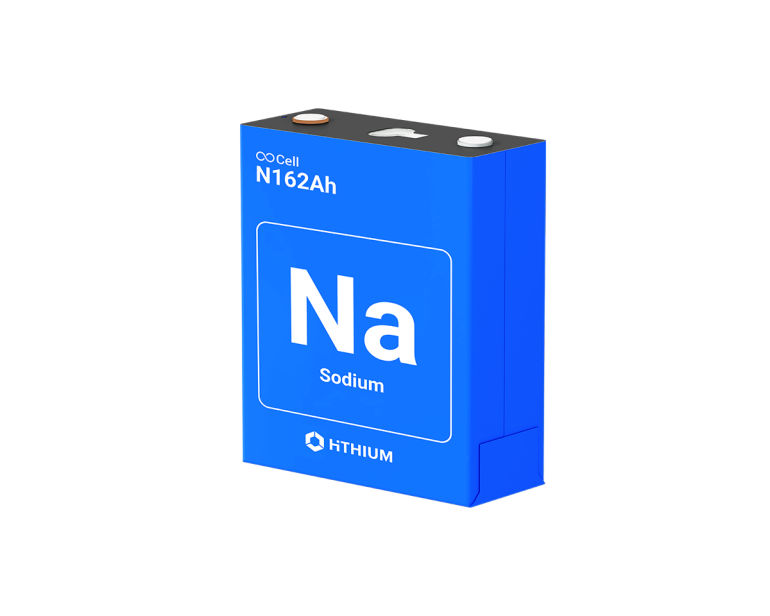
HiTHIUM's battery cell portfolio includes high-performance LFP cells developed for long cycle life and high consistency, as well as the ∞Cell N162Ah, a sodium-ion cell based on NFPP/HC chemistry. This specific sodium-ion model is engineered for an ultra-wide operating temperature range of -40°C to 60°C. Its cell technologies and system integration strategy are designed to support reliable energy delivery while reducing performance variation between cells throughout the system lifecycle.
Environmental adaptability also depends on how effectively the ESS resists external conditions. For coastal and island deployments, salt spray and humidity accelerate corrosion of enclosures, electrical components, and structural parts. In dusty environments, airborne particles can affect heat exchange efficiency and increase maintenance requirements. Buyers should verify enclosure protection ratings, corrosion-resistant structural design, sealing performance, and long-term durability rather than considering appearance or cabinet specifications alone.
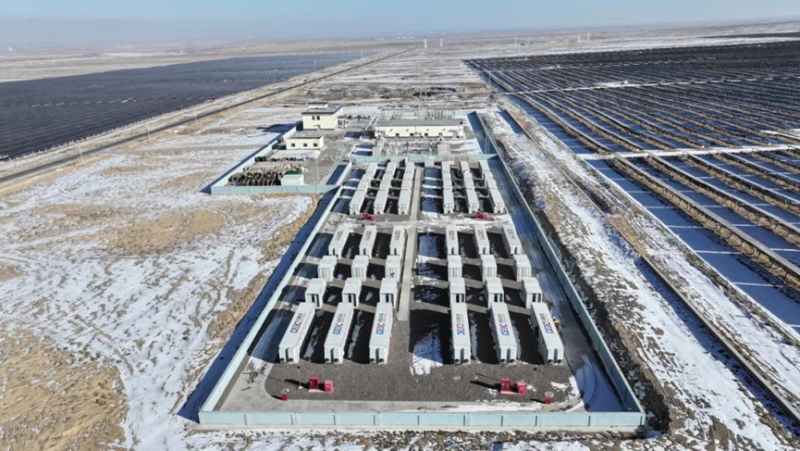
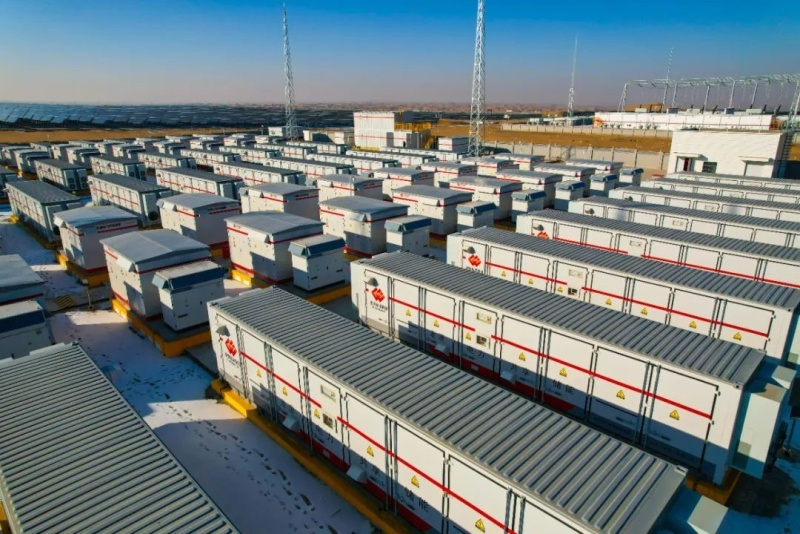
At the Ningxia Tengger Desert New Energy Base, HiTHIUM supplied BESS products including battery cells and containers. The site faces sand, dust, extreme temperatures, and large day-to-night temperature differences. Our BESS products are designed for operation from -30°C to 60°C, while the containers use a high-grade protection design to help protect operation from sand and dust erosion.
Safety and Compliance Performance
Safety performance should be evaluated through internationally recognized verification rather than product claims alone. Certifications and test results such as UL9540A thermal propagation testing should be reviewed, which evaluates fire propagation performance, and UL9540 system certification, which verifies the overall integration and safety design of an energy storage system. These standards provide objective references for assessing ESS safety before project deployment.
HiTHIUM has established an international certification framework covering battery cells, modules, and energy storage systems. Our products have completed safety validation including UL9540A testing while supporting system designs aligned with NFPA 855 installation requirements. These certifications provide third-party evidence of system safety and strengthen buyer confidence during project evaluation.
HiTHIUM completed the world's first open-door large-scale fire test on a 6.25MWh system built with kAh-class cells, run under conditions harsher than standard closed-door testing, including reduced container spacing and disabled active fire suppression. Adjacent containers remained below safety thresholds throughout the test, with no explosion, debris ejection, or thermal propagation to neighboring units observed.
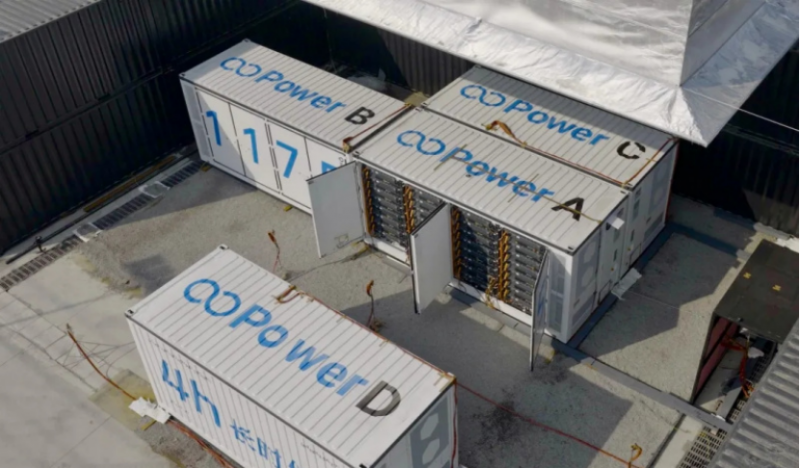
Environmental adaptability is influenced not only by climate but also by operating conditions. Grid-side applications such as frequency regulation and peak shaving require repeated charge-discharge cycles every day, continuous year-round operation, and deployment at utility scale. These conditions generate sustained internal heat loads that place additional demands on thermal management and system reliability.
To address these demands, HiTHIUM applies integrated system engineering covering battery technology, liquid-cooling thermal management, intelligent control, and environmental protection. HiTHIUM’s advanced technologies work together to maintain stable temperature control, improve operational reliability, and support continuous operation under both harsh climates and high-cycling conditions.
A representative example is the Ningxia Tengger Desert New Energy Base project. Located in a desert region with high temperatures, dust exposure, and significant temperature variations, the project uses HiTHIUM energy storage solutions to support renewable energy integration. Designed for harsh outdoor conditions, the system maintains reliable operation across a wide temperature range while improving grid stability and renewable energy utilization in a challenging environment.
Selecting an energy storage system for demanding environments requires a broader evaluation than comparing capacity, efficiency, or procurement cost alone. Environmental adaptability—including thermal management, low-temperature performance, environmental protection, safety, and long-term operational reliability—plays a decisive role in determining project success throughout the asset lifecycle.
HiTHIUM specializes in energy storage battery and system technologies, supported by dedicated R&D capabilities, manufacturing facilities, and global service networks. This foundation enables HiTHIUM to continue developing energy storage solutions for increasingly demanding operating environments. Contact HiTHIUM to learn more about energy storage solutions designed for challenging environmental conditions.
International Energy Agency (IEA). Electricity 2024.
https://www.iea.org/reports/electricity-2024
National Fire Protection Association (NFPA). NFPA 855: Standard for the Installation of Stationary Energy Storage Systems.
https://www.nfpa.org/codes-and-standards/nfpa-855-standard-development/855




 Previous: